

EV Charging
28 products in stock — next-day UK dispatch.







![Single Phase Monitoring and Protection Device with Terminals [White]](http://clearraysolar.com/cdn/shop/files/MATT-SP-EVCP-T-W.jpg?v=1784621708&width=512)




EV chargers and charging accessories
Home and workplace EV charging pairs naturally with solar — a charger that tracks surplus generation lets an electric car soak up energy that would otherwise be exported for pennies. We stock 7kW single-phase and higher-output EV charge points, solar-tracking models, charging sockets and installation accessories from established brands, all at trade prices with live UK stock and guest checkout.
Choosing a charge point
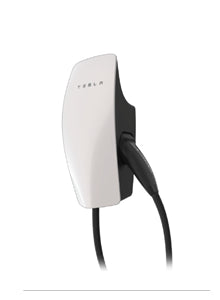
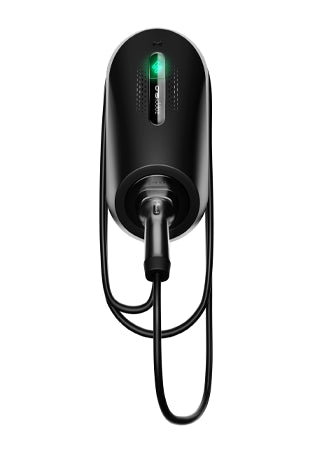
A 7kW (32A) unit is the standard for UK single-phase homes, adding roughly 25–30 miles of range per hour and fully charging most EVs overnight. Three-phase premises can specify 11kW or 22kW units where the vehicle's on-board charger supports it. Solar-aware chargers modulate their output to match export, so the car charges predominantly on self-generated energy — a feature worth prioritising on any property with an array. Tethered units with an integrated cable are the convenient everyday choice; untethered socket units accept any cable type and present a tidier facade.
Regulations and installation
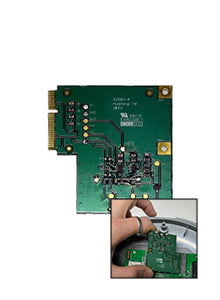
UK-installed domestic charge points must comply with the Smart Charge Points Regulations, including default off-peak scheduling and randomised delay functions, and installations must meet BS 7671 requirements for EV supply equipment including appropriate earthing arrangements and protective devices — many modern units integrate open-PEN protection to avoid a separate earth electrode. Installation is a job for a qualified electrician, and where the charger interacts with a solar or storage system, confirming ecosystem compatibility with the inverter brand keeps monitoring and control in one app.
Trade supply for installers
Installers fitting charge points alongside solar can pick up the full job from one order — charger, cable, isolation, and the PV kit itself — with live stock visibility and tracked delivery from our UK warehouse. Datasheets and installation manuals are linked on every product page.
Load management and future-proofing
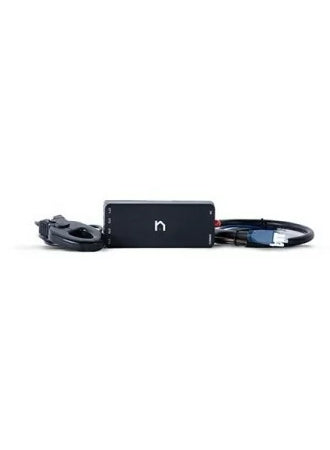
Modern charge points include dynamic load management, monitoring the property's total demand through a CT clamp and throttling the charger to protect the main fuse — essential on homes with heat pumps, showers and cooking loads sharing a supply. If a second EV is likely, some units support paired load-sharing on one circuit, worth specifying at first installation while the electrician is on site. OCPP support is worth looking for on workplace units, keeping back-office and payment options open rather than locked to one vendor's platform. These features cost little at purchase and are considerably more expensive to add later.
Frequently asked questions
Is 7kW enough for home charging?
For most households, yes — 7kW adds roughly 25–30 miles of range per hour, fully charging most EVs overnight. Faster 11kW or 22kW units need a three-phase supply and a car that supports higher AC rates.
What does a solar-tracking EV charger do?
It modulates charging to match your surplus solar export, so the car charges mainly on self-generated energy instead of drawing from the grid at full rate.
Tethered or untethered — which should I pick?
Tethered units include a fixed cable and are the most convenient day to day. Untethered socket units accept any cable and suit households with more than one vehicle type.
Can I install an EV charger myself?
No — UK charge point installations must be carried out by a qualified electrician to BS 7671, including correct earthing and protection arrangements.